THE OBJECT · AN INTRODUCTION
What is a herbal incense comb?
The name can sound unfamiliar. Start with the material, the scent, and the way the object is used.
What we mean by “herbal incense comb”
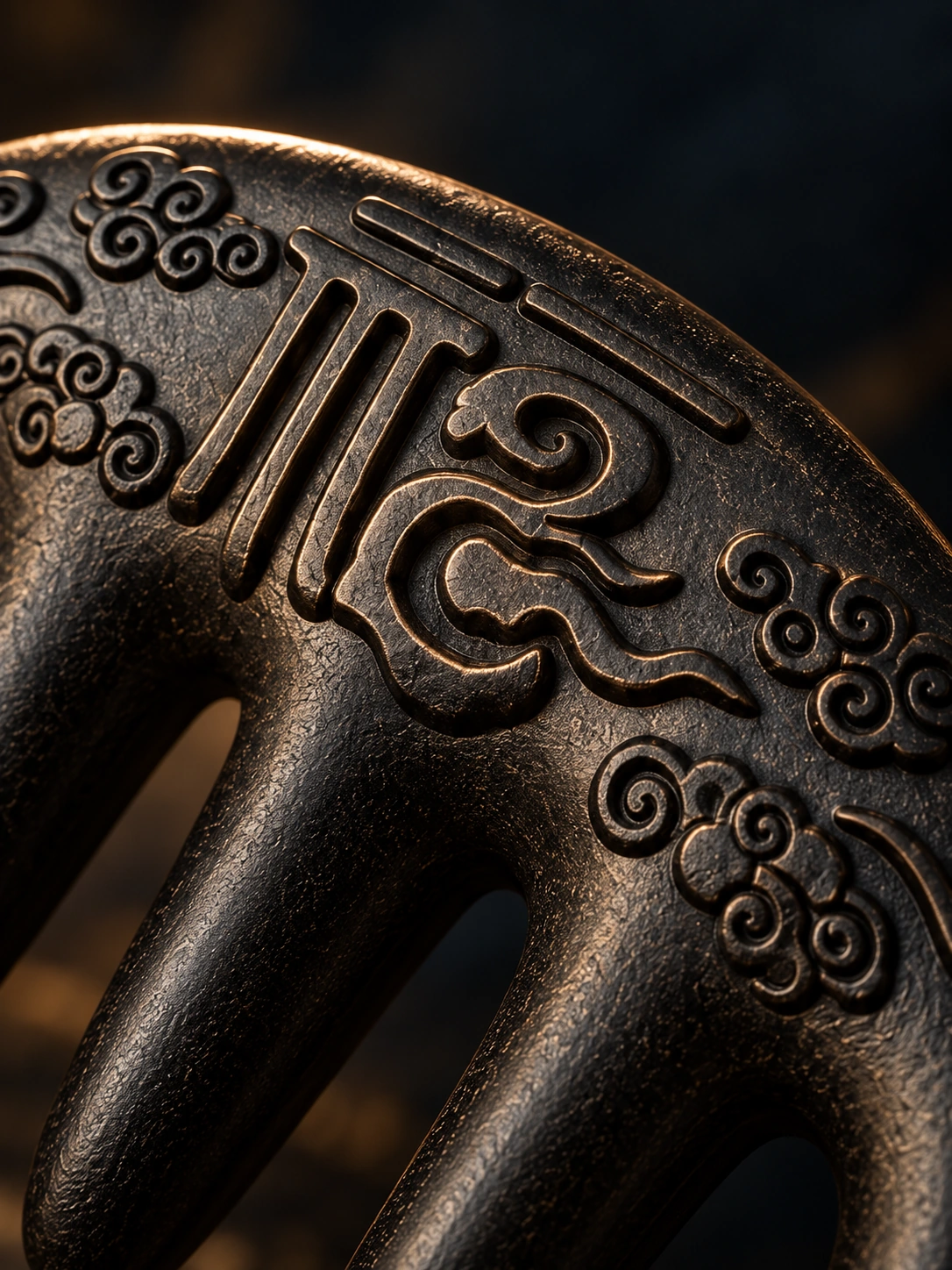
Our product is called a 草本合香梳 in Chinese. We use “herbal incense comb” as a plain-English introduction. For this product, the name refers to a comb made with blended incense and herbal materials, rather than a conventional wooden comb with a scent applied to it.
“Hexiang” (合香) is the term used in our Chinese product description for the incense blend. It is a description of the material and cultural inspiration—not, by itself, a complete ingredient list or a certification.
What materials are named?
The supplied material description names He Shou Wu (Fo-ti root), saffron, ginseng, dong quai (Chinese angelica root), Chinese arborvitae leaf and honey. These names are not a complete ingredient declaration, and they do not establish a health benefit for the finished comb.
Explore the English material guide and ask for the full current formula if you have sensitivities.
How is the blend shaped?
The craft notes describe eight stages: selecting, grinding, sifting, blending, kneading, working the paste, molding and shade drying. The distinction is helpful: this is a shaped incense-and-herbal object, not a conventional wooden comb. The sequence does not, by itself, prove a particular historical lineage or heritage certification.
See the eight-step craft sequence.
A scent you experience, not a promise
Our product notes describe the aroma as woody and herbal. That description can help you form a question, but it cannot tell you how strong the scent will seem to you, how long it will last, or whether you will enjoy it.
If you are sensitive to fragrance or particular botanical materials, ask us for the complete ingredients before deciding. “Traditional” and “herbal” should not be read as a guarantee that a product suits everyone.
What makes it a combing ritual?
In the demonstration, the presenter uses small, deliberate movements across the crown and sides of the head. The object is handled slowly, rather than pulled through the length of tangled hair. You can watch the full English-guided demonstration to understand that difference.
Questions worth asking before you buy
- What is the complete material and ingredient list?
- What are the cleaning and storage instructions for this blend?
- What is included with the current product?
- Can it be delivered to my country, and what is the total price?
Our international site currently accepts inquiries, not payments. These questions help us understand what matters to you while we prepare availability.
Culture and function are different things
Chinese incense culture and Daoist-inspired ideas are part of the story we associate with this object. Appreciating that story does not require believing that the comb changes your health or fortune. We do not make those promises.
Meet the comb